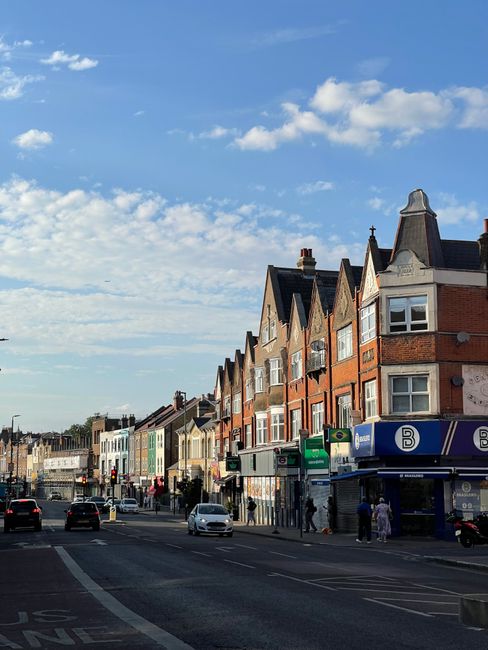
Chalford Hill waste clearance guide for cottages and terraces
If you live in a cottage or terrace in Chalford Hill, waste clearance can be trickier than it looks. Narrow access, awkward stairways, shared alleyways, old boundary walls, and limited parking all change the job. A simple tidy-up can quickly turn into a small logistics puzzle. That is exactly why this Chalford Hill waste clearance guide for cottages and terraces matters.
Whether you are clearing a loft, stripping out an old kitchen, dealing with garden waste after a weekend burst of enthusiasm, or making a rental property ready for new tenants, the process needs a bit of thought. The good news? With the right approach, you can remove clutter efficiently, keep costs sensible, and avoid the usual headaches. This guide walks through what to expect, how to plan, what to avoid, and how to choose a clearance method that actually suits older homes and tighter streets.
For readers comparing local support, it can also help to look at related services such as house clearance, rubbish removal, and commercial clearance if your project goes beyond a single cottage room or terrace basement. Different jobs need different handling, and that distinction saves a lot of stress later.
Table of Contents
- Why Chalford Hill waste clearance guide for cottages and terraces Matters
- How Chalford Hill waste clearance guide for cottages and terraces Works
- Key Benefits and Practical Advantages
- Who This Is For and When It Makes Sense
- Step-by-Step Guidance
- Expert Tips for Better Results
- Common Mistakes to Avoid
- Tools, Resources and Recommendations
- Law, Compliance, Standards, or Best Practice
- Options, Methods, or Comparison Table
- Case Study or Real-World Example
- Practical Checklist
- Conclusion
- Frequently Asked Questions
Why Chalford Hill waste clearance guide for cottages and terraces Matters
Cottages and terraces are lovely to live in, but they rarely make waste clearance easy. You may have tight front steps, shared access, low walls, steep driveways, or no real place to stack bags without annoying the neighbours. If you have ever tried to move an old wardrobe through a narrow hallway, you already know the feeling. It gets scruffy fast.
In Chalford Hill, many properties have character features and older layouts that were never designed for modern bulky waste. That means clearance needs more than brute force. It needs planning, careful lifting, and a good sense of what can be broken down on site, what needs specialist handling, and what should be kept separate for reuse or recycling. A rushed approach can lead to damage, safety risks, extra trips, or messy fly-tipping style problems that nobody wants on their doorstep.
This matters for homeowners, landlords, letting agents, builders, and anyone clearing a property after a move, renovation, bereavement, or long-overdue declutter. And truth be told, the emotional side matters too. Clearing a home is rarely just about rubbish; sometimes it is a shed full of memories, or a kitchen full of half-finished plans. That makes a calm, structured process even more useful.
If you are dealing with a fuller property clearance, it may also be worth reviewing our loft clearance and garage clearance pages, because those spaces often hold the heaviest and dustiest items in older homes.
Expert summary: The best waste clearance in cottages and terraces is rarely the fastest-looking option. It is the one that protects access, respects neighbours, separates reusable materials, and avoids unnecessary damage or repeat labour.
How Chalford Hill waste clearance guide for cottages and terraces Works
At a practical level, waste clearance usually starts with a brief assessment. Someone needs to see what is being removed, where it sits in the property, and how it can get out without making a mess. A terrace with a narrow staircase behaves very differently from a modern house with a side passage. Same with cottages: you might have low beams, uneven floors, or a steep approach that changes how loads are carried.
The process often follows a simple pattern:
- Identify the type and volume of waste.
- Check access points, parking, and loading space.
- Sort items into keep, donate, recycle, and remove.
- Break down bulky items where possible.
- Load waste safely and transport it to the correct facility.
- Dispose of items in line with waste carrier and recycling expectations.
That sounds straightforward, but the details matter. A pile of mixed materials might contain wood, metal, plasterboard, textiles, electricals, and green waste all in one go. A proper clearance team will usually separate these where practical because mixed loads can be harder to process responsibly. In older homes, there is also the simple problem of dust and debris. A hallway that looks tidy at 9am can feel like a building site by lunchtime if nobody protects the route.
For mixed domestic clearances, some readers find it helpful to combine services. For example, a house full of household clutter may need furniture removal, while an outside sweep-up may need garden waste removal. That layered approach is often cleaner and cheaper than treating everything as one giant pile.
Key Benefits and Practical Advantages
A well-planned clearance does more than empty rooms. It reduces friction in a property that already has enough quirks. Here are the biggest benefits, in real terms.
- Less disruption: Careful scheduling and access planning keep hallways, neighbours, and parking under control.
- Safer lifting: Bulky items like sofas, freezers, and wardrobes can be handled without risky dragging or awkward twisting.
- Better sorting: Reusable and recyclable items are easier to separate when the job is organised from the start.
- Faster room resets: If you are preparing a cottage to sell or let, a clean space photographs better and feels more manageable.
- Lower chance of damage: Old plaster, narrow banisters, and period flooring are easier to protect when the route is planned.
- Less emotional strain: For inherited homes or long-term declutters, a step-by-step process makes the job feel less overwhelming. Small mercy, that.
There is also the practical financial advantage. If waste is sorted properly, you may avoid paying for unnecessary labour on items that could have been broken down first. A bit of prep can shave time off the job. Not always dramatically, but enough to matter.
Another underrated benefit is neighbour relations. In terraces especially, people notice bins, skips, noise, and blocked access. Good clearance etiquette keeps things smooth. No one wants to be the house everyone remembers for the wrong reason.
Who This Is For and When It Makes Sense
This guide is for anyone dealing with domestic clearance in an older or tightly packed property. The most common situations include:
- Homeowners clearing accumulated clutter, old furniture, loft items, or renovation debris.
- Landlords and letting agents preparing cottages and terraces between tenancies.
- Families sorting an inherited home or helping a relative downsize.
- Tradespeople who need post-refurbishment waste removal without creating access problems.
- Buyers and sellers who want the property presentable before viewings, photos, or completion.
It makes sense to plan a clearance when the volume of waste is too large for normal bins, when items are too bulky to handle safely, or when access needs coordination. If you are moving in a weekend and the back room is still packed with broken chairs, paint tins, and old carpet rolls, a proper clearance can save the whole timetable. Honestly, that is often where the stress starts.
It also makes sense if you need to avoid repeatedly lifting smaller loads in and out over several days. In cottages and terraces, that stop-start approach can be more exhausting than one carefully managed visit.
Step-by-Step Guidance
If you want the job to go smoothly, work in a sensible order. Skipping around usually creates more mess, not less.
1. Walk through the property first
Start with a room-by-room look. Note which items are staying, which can be donated, and which are clearly waste. In a terrace, pay special attention to stair width, landing corners, and front access. In a cottage, look for low door frames, tight utility spaces, and uneven surfaces outside.
2. Separate awkward items early
Some things need extra care: fridges, freezers, mattresses, televisions, paint, chemicals, mirrors, and anything with sharp edges. Put these aside before the main lift begins. If items look like they might need specialist handling, do not just shove them into a mixed pile and hope for the best.
3. Measure the route out
This is the bit people forget. Measure the widest parts of the route, not just the item itself. A wardrobe might fit in the room but not around the bend in the hallway. Old terraces love this sort of nonsense. Try to imagine the load at its hardest corner, not at the easy bit.
4. Decide what can be dismantled
Breaking down furniture can make clearance much quicker. Flat-pack units, bed frames, and shelving often come apart with basic tools. But don't force it if the item is unstable or contains hidden fixings. A quick look with the right tool is better than a snapped panel and a sore hand.
5. Protect the route
Use coverings where needed: cardboard, dust sheets, or floor protection on sensitive surfaces. This is especially useful in older homes with worn timber floors or narrow stair carpets that show every scuff.
6. Load in a sensible order
Heavy items first, lighter items on top where appropriate, and fragile pieces kept separate. Sorting on the way out saves time later and helps with recycling and reuse. If the route includes shared access, keep loads compact and controlled.
7. Sweep, check, and finish properly
A good clearance ends with a final sweep and a visual check for small fragments, screws, nails, and forgotten items. It sounds minor. It is not. One missed screw in a hallway can become an annoying little problem for days.
If the property still needs a deeper reset afterwards, you may want to combine clearance with office clearance support for work-from-home spaces or basement clearance if the lower floors have become the storage trap that every older property seems to develop.
Expert Tips for Better Results
These are the small things that make a noticeable difference. Not glamorous, but useful. Very useful.
- Book access carefully: If parking is tight, think about the closest loading point before the day arrives.
- Keep a donate pile separate: Good-condition furniture, books, and household goods can often be passed on instead of binned.
- Use labelled zones: Even simple labels like keep, remove, and check later prevent arguments and wasted time.
- Clear from the top down: Start in lofts and upper rooms so you are not carrying items back through newly cleared spaces.
- Avoid mixed bags where possible: Recycling and disposal are easier when materials are kept broadly separate.
- Think about noise and neighbours: Early-morning dragging and banging in terraces carries. A bit of caution goes a long way.
- Take photos before starting: Useful for planning, insurance, and keeping track of what belongs where.
A simple tip that often helps: leave a small "decision table" near the entrance. One table, one chair, one box for documents or keepsakes, and one bag for obvious waste. It creates a tiny control point in a house that otherwise feels chaotic. That bit of order changes the whole mood, especially on a wet morning with muddy boots and a kettle going in the background.
Common Mistakes to Avoid
Most clearance headaches come from a handful of avoidable mistakes. Here are the big ones.
- Underestimating the volume: A few rooms of accumulated items can become a full load very quickly.
- Ignoring access issues: Tight gates, shared passages, steps, and parking restrictions should be checked before collection day.
- Mixing everything together: Sorting after the fact is slower and often more expensive.
- Forgetting restricted items: Some waste streams need special handling, so do not hide them in general rubbish.
- Dragging heavy items unsafely: That is how floors get damaged and backs get grumpy.
- Not planning for weather: Rain turns cardboard weak, paths slippery, and good intentions into mush. British reality, really.
- Leaving the final tidy-up too late: Small debris has a habit of being discovered the next day, usually by your shoes.
Another mistake is assuming every clearance job needs the same approach. A light declutter in a two-bedroom terrace is not the same as a probate clearance in a cottage with outbuildings and a steep lane. The method should fit the property, not the other way round.
Tools, Resources and Recommendations
You do not need a van full of specialist gear for every job, but a few practical tools make a big difference.
| Tool or resource | Why it helps | Best for |
|---|---|---|
| Heavy-duty gloves | Protects hands from splinters, rough edges, and grime | General loading and sorting |
| Moving blankets or dust sheets | Reduces scuffs on narrow hallways and staircases | Older cottages and terraces |
| Dolly or sack truck | Helps move heavier items more safely | Fridges, boxes, and appliances |
| Strong refuse sacks | Makes bagged waste easier to carry and stack | Mixed household clearances |
| Screwdriver set / basic tool kit | Useful for dismantling furniture and removing fixings | Flat-pack furniture, beds, shelving |
| Labels or marker pens | Keeps keep/remove/donate piles clear | Family clear-outs and probate jobs |
As for resources, it helps to check local council guidance for what can and cannot go into general waste, and to confirm the right route for electrical items or hazardous household materials. If you need a broader property reset, our property clearance page can help you think through larger jobs, while appliance removal is often the better fit for white goods and bulky electricals.
If you are unsure whether an item can be recycled, reused, or needs special handling, ask before the collection date. A quick question saves a lot of last-minute faffing around.
Law, Compliance, Standards, or Best Practice
Waste clearance in the UK should be handled responsibly, and that means using suitable carriers, disposing of waste at legitimate facilities, and avoiding anything that could end up as fly-tipping. You do not need to know every detail yourself, but you should understand the basics.
For most readers, the key points are simple:
- Use a reputable waste carrier: They should be able to explain where waste goes and how different materials are handled.
- Keep paperwork where relevant: For larger or commercial jobs, records and transfer documentation may matter.
- Separate hazardous items: Paint, solvents, oils, and some electricals should not be treated like normal rubbish.
- Do not rely on unverified operators: If a price sounds far too low, ask more questions. Cheap can become expensive in the wrong hands.
- Check local expectations: Councils and waste facilities can vary in accepted items and booking processes.
Best practice also means being honest about what you have. If you say "a few bags" and there are actually three rooms, a shed, and a garage, the day will be awkward for everyone. Clear descriptions lead to better planning. That part really matters.
Options, Methods, or Comparison Table
There is more than one way to clear waste from a cottage or terrace. The right choice depends on access, volume, and how much effort you want to put in yourself.
| Method | Best for | Pros | Limitations |
|---|---|---|---|
| DIY tip run | Small volumes, time-rich households | Can be economical if you already have transport | Time-consuming, lifting risk, multiple trips |
| Skip hire | Renovations or bigger one-off clearances | Good for ongoing waste during a project | Access and placement can be difficult in terraces |
| Man-and-van collection | Bulky items and mixed household waste | Flexible, often easier for awkward access | Needs clear item descriptions and good parking planning |
| Full property clearance service | Large, time-sensitive, or emotionally difficult jobs | Most convenient, usually best for whole-house resets | More expensive than doing parts yourself |
For cottages and terraces, the biggest deciding factor is usually access. A skip may look convenient on paper, but if the road is narrow, parking is limited, or neighbours rely on the same frontage, a collection-based approach may simply work better. Sometimes the neatest solution is the one that disturbs the least.
Case Study or Real-World Example
Here is a realistic example. A small terrace in Chalford Hill needs clearing before a sale. The property has a narrow stairwell, a compact kitchen, a back room filled with mixed furniture, and a loft carrying years of stored boxes. The owners want it cleared in one go, but they also want to keep a few sentimental items and donate usable pieces.
The sensible approach is to start with the loft, because that prevents repeated carrying through newly cleared rooms later. A first pass separates documents, keepsakes, and obvious waste. Next comes the main floor, where a bed frame, two wardrobes, a dining table, and several bags of general clutter are sorted. The wardrobes are dismantled in the room so they can pass down the stair bend safely. A dust sheet protects the hallway. The back room is left until last because it doubles as the load-out area.
What makes this job work is not speed alone. It is sequencing. The route stays clear, the items are broken down where sensible, and the property does not get trashed in the process. By the end of the day the house looks lighter, cleaner, and ready for photographs rather than another week of shuffling boxes. That calm ending is the real win.
If the same property also had a cluttered outdoor space or old fencing, the team could combine the main clearance with shed clearance or garden clearance to avoid repeat visits and extra disruption.
Practical Checklist
Use this checklist before the clearance begins. It keeps things simple when the day gets busy.
- Identify every room, loft, cellar, and outbuilding that needs attention.
- Check doors, steps, staircases, and any tight turning points.
- Confirm parking or loading access for the collection vehicle.
- Separate keep, donate, recycle, and remove items.
- Set aside hazardous or specialist items for separate handling.
- Measure large furniture before trying to move it.
- Protect floors, corners, and banisters where needed.
- Tell neighbours if there may be short-term disruption.
- Keep pathways clear from the start.
- Do a final sweep for screws, broken glass, and small debris.
Quick practical takeaway: if you prepare the access route well, half the clearance battle is already won. The rest is sorting, lifting, and a bit of patience.
Conclusion
Waste clearance in Chalford Hill cottages and terraces is all about working with the property rather than against it. Older homes, shared access, and compact layouts call for a calmer, better-planned approach than a standard tip run. When you sort items properly, protect the route, and choose the right disposal method, the job becomes much more manageable.
The key is not to overcomplicate it. Start with access, separate the awkward items, keep the route clear, and use the right support where it saves time and trouble. Done well, clearance is not just about emptying a room. It is about giving the home breathing space again.
If you are ready to move forward, compare your options, gather a few details about access and volume, and make the next step a straightforward one. That little bit of preparation goes a long way.
Get a free quote today and see how much you can save.
Frequently Asked Questions
What is the best way to clear waste from a cottage with narrow access?
The best approach is usually to sort items first, measure the access route, and dismantle bulky furniture where possible. For very tight cottages, a collection-based service is often easier than trying to use a skip.
Can I put all household waste into one pile?
You can, but it is not the most efficient method. Mixing everything together makes recycling harder and can increase handling time. Separate general waste, reusable items, electricals, and anything hazardous if you can.
How do terraces make waste clearance more difficult?
Terraces often have shared walls, narrow hallways, limited parking, and front steps. That means access planning is just as important as the actual lifting.
Do I need to be home during the clearance?
Usually yes, especially if items need sorting, if there are valuables to separate, or if access is tricky. Some jobs can be arranged with prior instructions, but being available tends to reduce mistakes.
What should I do with old furniture in a terrace house?
If it is reusable, consider donation or resale. If it is worn out or unsafe, furniture removal is usually the simplest option. Large pieces may need dismantling to get out without damage.
Are loft and cellar clearances handled differently?
Yes. Loft and cellar spaces can contain dust, restricted access, and mixed storage items. They usually need a more careful first sort before the main clearance begins.
How can I reduce the cost of waste clearance?
Prepare the items in advance, separate reusable pieces, and make access details clear. The less time spent sorting on site, the more efficient the job usually becomes.
What items need special care?
Common examples include fridges, freezers, mattresses, paint, solvents, chemicals, and some electrical items. If you are unsure, ask before the clearance date rather than leaving it until the last minute.
Is a skip better than a collection service for cottages and terraces?
Not always. Skips can work well for renovation waste, but they need space and good access. In tighter streets or older properties, a man-and-van or full clearance service may be more practical.
How long does a typical clearance take?
It depends on the amount of waste, the number of floors, and how easy the access is. A small declutter can be fairly quick, while a full property clearance can take much longer. The layout often matters as much as the volume.
What happens if the property has both garden waste and indoor clutter?
It is often sensible to combine the two into one planned visit if the service can handle both. That avoids repeat trips and helps keep the site tidy from start to finish.
How do I know a waste carrier is reputable?
Look for clear communication, proper documentation where needed, and a sensible explanation of where the waste goes. If anything feels vague or rushed, ask more questions before agreeing.
Can clearance help before a house sale or rental changeover?
Absolutely. A clear, uncluttered property is easier to photograph, show, and hand over. In cottages and terraces, where space can already feel compact, that visual difference is especially noticeable.
What is the most common mistake people make in older homes?
Underestimating access. People often focus on the amount of waste and forget the hallway bend, the tight stair corner, or the lack of parking. Those small details can make a big difference.